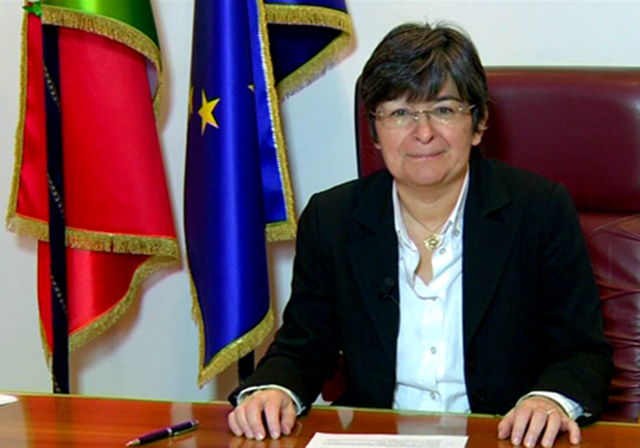
Maria Cecilia Guerra argues that “stereotypes are a scourge on society.”
“The theme chosen for this ninth international conference on social communication, ‘The Value of Diversity: Toward a New Culture of Gender,’ is particularly significant because starting to reflect on diversity and analyzing our social reality through the lens of gender mainstreaming can lead to substantial progress. We can begin to understand the root causes of gender discrimination that still permeate every aspect of our society—from the workplace to caregiving, from family life to education. By identifying all the critical areas for intervention, we can work to address and correct them, leveraging the power of communication. This is the crucial focus of this conference.”
We know that women face discrimination in accessing employment, often receiving wages that are generally 20% lower than those of men with the same level of education. Many women are forced to give up their jobs because there are no adequate tools to help them balance work with caring for the most vulnerable family members: children, the elderly, or individuals with disabilities. It’s as if this issue is solely a woman’s problem, rather than one that affects society as a whole, including its male segment.
I believe progress has been made, and the culture of work-life balance is finally emerging within companies, which is a crucial development. However, institutions must also play their part, and certain regulatory measures—such as gender quotas—can help enforce the participation of women in leadership positions. This is not only important within companies but also in representation, as seen in Parliament, where such initiatives have been effective in addressing these inequalities.
Culture is the foundation we need to address because gender disparities are deeply rooted in stereotypes. Stereotypes are a social plague that force individuals into predefined roles—those of men and women—that differ significantly and lead to unequal opportunities. This not only creates social disparities but also hinders communication between genders. We lack a culture of relational understanding; each person is confined within their own framework. This dynamic is a significant factor behind the extreme acts of violence we witness in our country, especially when these roles are challenged, relationships break down, and individuals feel their established identities threatened.
We need to start with education, beginning in schools, and pay close attention—even in communication—to how women and, correspondingly, men are portrayed. Clearly, women’s self-determination and empowerment are fundamental to overcoming this situation, but we must also remember to address the male perspective.
I believe the campaign being presented today, “Punto su di te,” will significantly help—especially if embraced by the media and represented in an integrated manner—to further progress in raising awareness and, consequently, in effectively overcoming discrimination. Diversity is a value; it should never be a burden.
M.C. Guerra
The Value of Diversity: Towards a New Gender Culture
Maria Cecilia Guerra argues that “stereotypes are a scourge on society.”


